Business & Regulation
50 stories in this category

Israeli airstrikes in Lebanon kill four, escalating conflict with Hezbollah
Israeli airstrikes in Lebanon killed four individuals, significantly escalating the ongoing conflict with Hezbollah. This development is crucial for the crypto market as increased geopolitical instability often drives demand for perceived safe-haven assets like Bitcoin, while also impacting risk sentiment across the broader digital asset space. The immediate concern is how this escalation could undermine diplomatic efforts and further destabilize the region. Investors should closely monitor the diplomatic responses and any further military actions, as these will likely influence market sentiment and potentially prediction market dynamics in the coming days.

Tennessee crypto kiosk ban set to go into effect July 1
Tennessee is implementing a ban on crypto kiosks, with operators and host businesses facing penalties if not compliant by July 1. This move significantly restricts an accessible on-ramp for individuals to acquire or sell Bitcoin and other cryptocurrencies, potentially impacting adoption and liquidity in the state. The critical date is July 1, marking the deadline for all kiosks to cease operations or face fines and possible prison time. Moving forward, the industry will be watching how this ban is enforced and if other states consider similar legislative actions.
CFTC Sues New York to Stop It From Treating Prediction Markets as Gambling
The CFTC has sued New York State, seeking to prevent it from classifying federally registered prediction markets as illegal gambling. This action is crucial for the broader crypto market as prediction platforms often utilize blockchain technology and digital assets, and regulatory clarity here could set important precedents for other crypto-related activities. The lawsuit was filed on April 24 in the Southern District of New York. Going forward, watch for how the courts interpret the intersection of federal and state authority regarding these innovative financial instruments.

The South Korean bank powering Upbit is testing Ripple integration for cross-border payments
South Korean bank Kbank, a key banking partner for crypto exchange Upbit, is piloting Ripple's blockchain technology for cross-border payments. This move is significant as it connects a major fiat on-ramp for the Korean crypto market with a well-established blockchain payments infrastructure provider. The technical verification process marks a step towards potentially streamlining international transactions for a bank deeply intertwined with crypto trading. Watch for further announcements regarding the pilot's success and potential wider rollout, which could influence the efficiency of crypto-related fiat flows in the region.
MARA Foundation to foster long-term adoption of Bitcoin, including resilience against quantum and security budget risks
The newly established MARA Foundation has announced its focus on ensuring Bitcoin's long-term health and adoption, specifically addressing resilience against quantum computing threats and security budget risks. This initiative matters for the broader crypto market as it highlights proactive efforts to safeguard Bitcoin's foundational technology, which underpins much of the digital asset ecosystem. While specific funding details are not yet public, the foundation's stated goal is to secure Bitcoin's future against evolving technological challenges. Moving forward, observers should watch for concrete proposals and partnerships from MARA, particularly regarding their strategies to mitigate quantum risks and strengthen Bitcoin's security model.
SEC, CFTC Chiefs Signal ‘New Day’ for U.S. Onshore Crypto, Tokenization and Future‑Proof Rules
U.S. regulatory leaders from the SEC and CFTC recently signaled a potential "new day" for onshore crypto development and tokenization. Speaking at Bitcoin 2026, they emphasized a coordinated approach to clarify token classification and establish future-proof rules. This matters significantly as it suggests a shift towards more predictable and supportive regulatory frameworks, which could unlock substantial institutional investment and innovation within the U.S. crypto market. The key takeaway is the expressed intent for a "regulatory reset" from these influential bodies. Moving forward, watch for concrete policy proposals and legislative actions that reflect this stated commitment to a clearer regulatory environment.
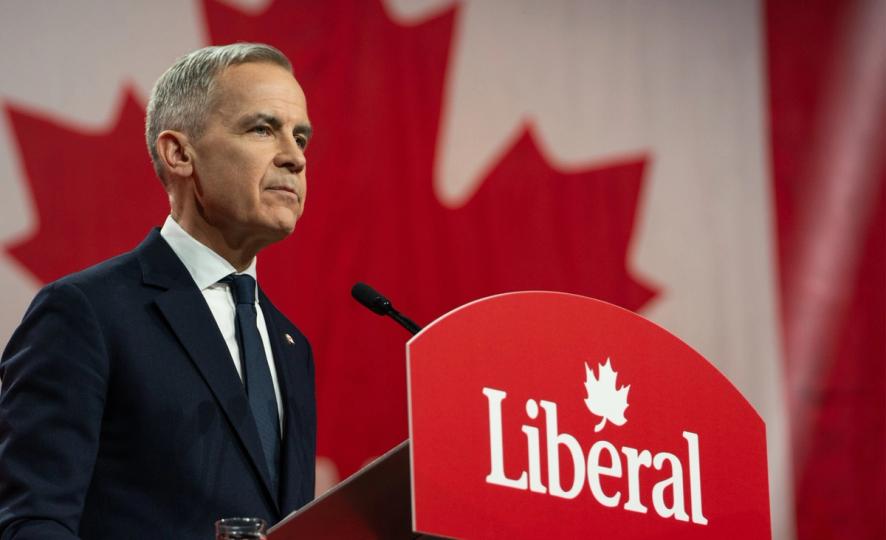
Canada’s crypto donation ban clears key vote with support from Conservatives
Canada's Bill C-25, which includes a ban on cryptocurrency donations to political campaigns, has cleared its second reading in Parliament. This development is significant as it signals a potential restriction on how digital assets can be used for political funding in a G7 nation. The bill progressed despite Conservative lawmakers raising concerns, indicating broad support for the measure. Moving forward, the crypto community should monitor the bill's progress through committee and subsequent readings, as its final passage could influence similar regulatory discussions in other countries.
Banks are fighting a ‘sideshow’ as Clarity Act stalls. Will it matter?
The Clarity Act, intended to provide regulatory guidance for banks engaging with crypto assets, has stalled in Congress, with traditional banks reportedly opposing its passage. This legislative inaction prolongs the regulatory uncertainty that has hindered mainstream financial institutions from fully participating in the digital asset space. The lack of clear rules remains a significant barrier for broader institutional adoption of Bitcoin and other cryptocurrencies. Moving forward, observers should watch for any renewed legislative efforts or alternative regulatory guidance from agencies like the SEC or OCC that could finally address this critical clarity gap.
EU sanctions target Russian crypto exchanges, stablecoins and CBDC
The European Union has imposed new sanctions targeting Russian crypto exchanges, stablecoins, and the digital ruble. This move directly addresses Russia's growing use of digital assets to bypass existing financial restrictions during the conflict in Ukraine. It underscores the increasing scrutiny regulators are placing on crypto's role in sanctions evasion, signaling a potential shift towards stricter global oversight. Watch for other nations to potentially follow suit, further shaping the regulatory landscape for digital assets worldwide.
CLARITY Act Gets an Industry Ultimatum as 120 Firms Including Coinbase and Ripple Demand Senate Action
Over 120 prominent crypto firms, including Coinbase and Ripple, have issued a joint letter to the Senate Banking Committee, demanding immediate action on the CLARITY Act. This collective push aims to establish much-needed regulatory clarity for digital assets, a critical factor for market stability and investor confidence. The key takeaway is the unified industry voice of over 120 organizations pressuring lawmakers as the bill's May deadline approaches. Moving forward, observers should watch for any movement or official statements from the Senate Banking Committee regarding a markup of the CLARITY Act.
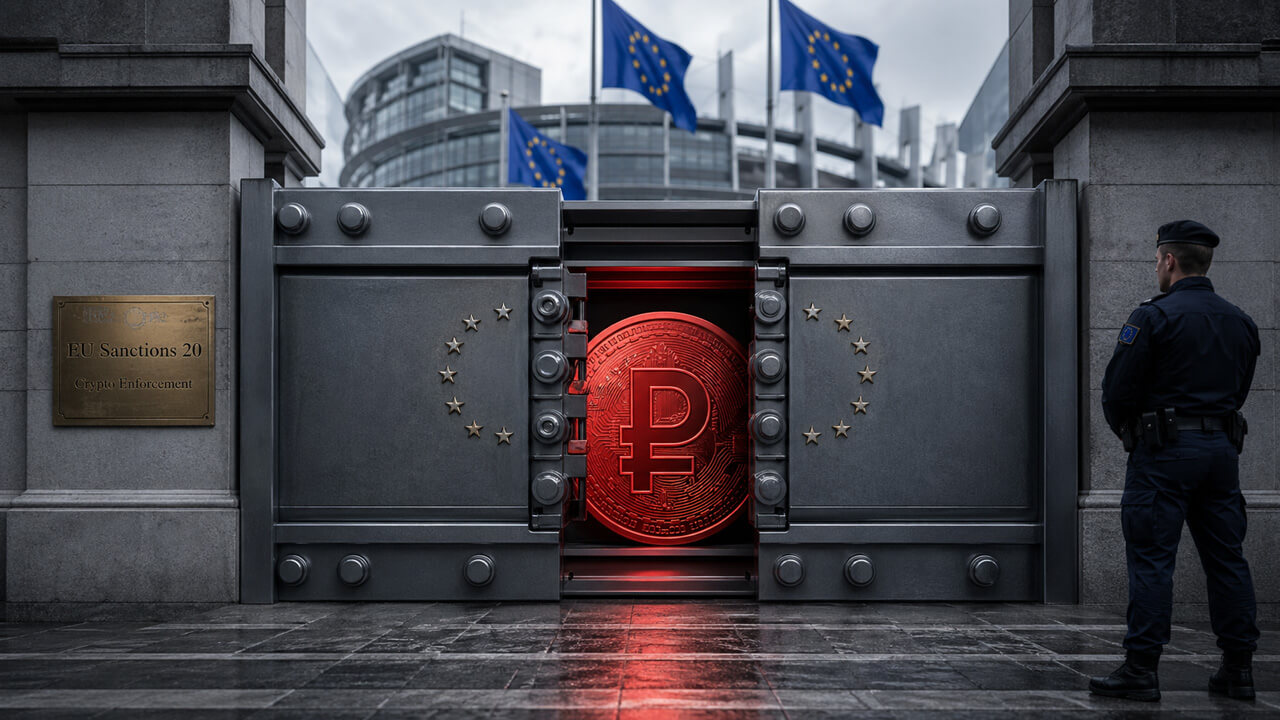
EU sanctions Russian crypto usage for 20th time adding bans on digital rubles and anyone using Russian crypto services
The European Union has enacted its 20th package of sanctions against Russia, specifically targeting crypto usage. This latest measure bans digital rubles and prohibits EU entities from using Russian crypto services, further integrating digital assets into geopolitical conflict. The key takeaway is the expansion of sanctions to explicitly include digital rubles and a broader range of Russian crypto services. Moving forward, observers should watch for potential Russian countermeasures or shifts in their domestic crypto strategy, as well as the impact on global crypto liquidity and compliance challenges for international exchanges.
French prosecutors charge 88 individuals linked to crypto wrench attacks
French authorities have charged 88 individuals in connection with a series of "wrench attacks" targeting crypto holders. These physical assaults, often preceded by social media reconnaissance, saw victims coerced into transferring digital assets. This development underscores significant physical security risks for crypto investors, moving beyond purely digital threats to tangible personal safety concerns. The 88 charges highlight the scale of this emerging criminal trend. Moving forward, watch for increased calls for privacy and discretion within the crypto community, alongside potential new security protocols or educational campaigns from exchanges and law enforcement.
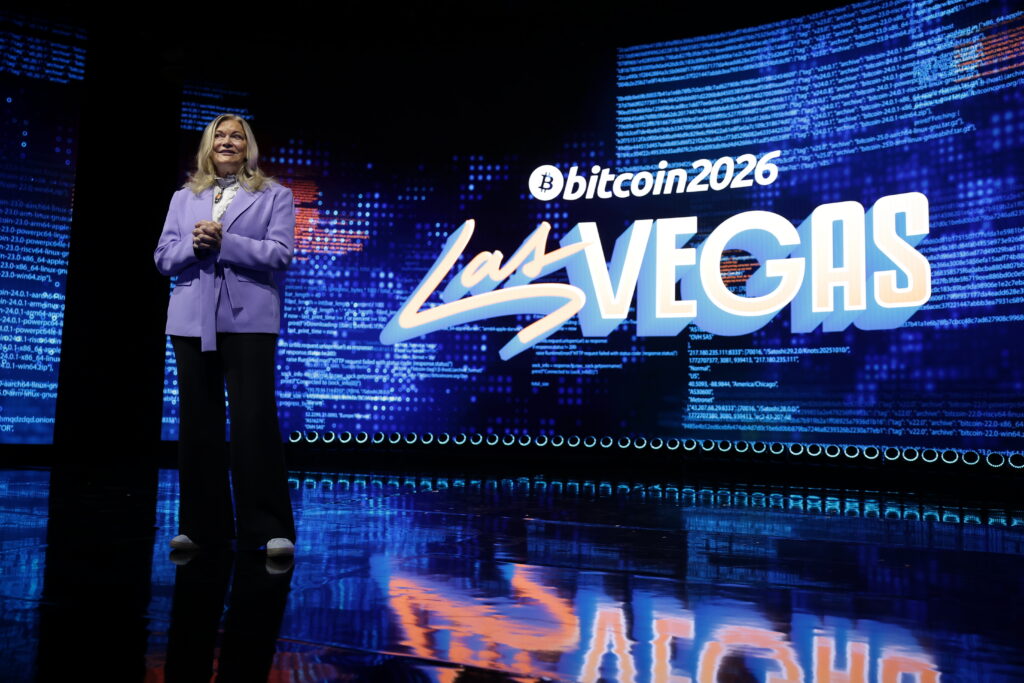
Senator Lummis Puts Congress On The Clock, Vows May Push To Rescue Stalled Clarity Act
Senator Cynthia Lummis announced a renewed push for the long-stalled Clarity Act, aiming for a May markup in Congress. This development is significant for Bitcoin and the broader crypto market, as the act seeks to establish clearer regulatory guidelines for digital assets. The key takeaway is the potential for legislative progress on crypto regulation, an area often cited as a barrier to wider adoption. Moving forward, watch closely for any actual movement or debate on the Clarity Act in May, as its passage could provide much-needed legal certainty for the industry.

From SWIFT to onchain: South Korea’s biggest digital bank taps Ripple for high-speed global transfers
South Korea's largest digital bank, KBank, is adopting Ripple's Palisade platform for high-speed global transfers, moving away from traditional SWIFT messaging. This integration signifies a growing trend of major financial institutions leveraging blockchain-based solutions for cross-border payments, validating crypto infrastructure's utility in mainstream finance. The key takeaway is KBank's shift from SWIFT, highlighting the potential for more efficient and cost-effective international transactions. Moving forward, watch for other large banks to follow suit, potentially accelerating the adoption of similar on-chain payment rails globally.
Trump administration refunds $885M to firms abandoning offshore wind projects
The Trump administration recently refunded $885 million to companies that abandoned offshore wind projects. This move signals a potential shift away from renewable energy investments, which could bolster fossil fuel demand and impact global energy markets. For crypto, this matters because increased oil prices and energy market volatility can influence investor sentiment and potentially drive demand for uncorrelated assets like Bitcoin. Watch for further policy developments regarding energy infrastructure and their ripple effects on traditional markets.
Warsh Confirmation Path Cleared as Tillis Drops Block and Senate Vote Set for Wednesday
Senator Thom Tillis has removed his hold on Kevin Warsh's Federal Reserve nomination, clearing the way for a Senate Banking Committee vote. This development follows the Department of Justice dropping its criminal investigation into current Fed Chair Jerome Powell. The key takeaway is the increased likelihood of a new voice joining the Federal Reserve, potentially shifting its monetary policy stance. For Bitcoin and the broader crypto market, this matters because changes in Fed leadership and policy can influence interest rates and the availability of capital, directly impacting investor appetite for risk assets. Watch for the outcome of Warsh's committee vote and any signals regarding his economic philosophy.
Why this week could reprice Bitcoin in 48 Hours: Fed first, GDP and PCE right after
Bitcoin is entering a critical 48-hour macro window this week, potentially repricing the asset quickly. The Federal Reserve's FOMC decision and press conference on April 29th will set the immediate tone for markets. This will be followed by crucial US GDP and PCE inflation data the very next morning. This confluence of major economic announcements could trigger significant volatility, making the Fed's forward guidance and the inflation figures the key numbers to watch. Investors should monitor how these releases influence risk-on sentiment and the dollar's strength, which historically impact Bitcoin's trajectory.
SEC shifts focus to regulatory clarity for Bitcoin, easing market fears
The SEC is reportedly shifting its focus towards providing clearer regulatory guidelines for Bitcoin. This development is significant as it could alleviate long-standing market uncertainty, potentially paving the way for increased institutional investment in the asset. While no specific data points were provided, the move itself signals a more defined path forward. Investors should now watch for concrete policy announcements or guidance documents from the SEC, which will dictate the immediate market reaction and future trajectory of institutional engagement.

First 21-week trend line reclaim since October 2025: Five things to know in Bitcoin this week
Bitcoin recently achieved a significant technical milestone, closing its weekly candle above the 21-week moving average for the first time since October 2025. This reclaim of a key trend line is often interpreted by analysts as a strong bullish signal, suggesting a potential shift in market momentum. The last time Bitcoin saw such a sustained move above this level, it was trading near $115,000. Going forward, market participants will be closely watching if Bitcoin can maintain this position above the 21-week moving average, as continued strength could indicate further upward price action.
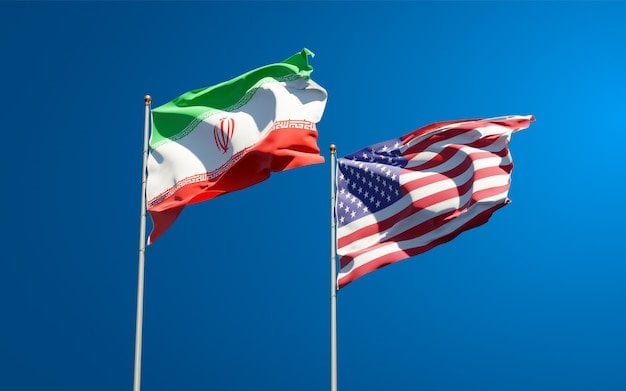
Trump discusses new Iran proposal with security aides, impacting diplomatic odds
Former President Trump recently discussed a new Iran proposal with his security aides, signaling potential shifts in US-Iran diplomatic efforts. This development introduces fresh geopolitical uncertainty, which often influences broader market sentiment and can indirectly affect risk assets like Bitcoin. While no specific details or numbers have been released, the ongoing discussions highlight the persistent tension in the Middle East. Investors should monitor future statements or actions regarding US-Iran relations, as significant geopolitical shifts could impact market stability.

Kbank teams with Ripple on overseas blockchain remittance trial
Kbank, a major South Korean bank, has initiated a trial with Ripple to explore blockchain-based overseas remittances. This move signals traditional financial institutions' increasing embrace of distributed ledger technology, especially as South Korea prepares new regulations for stablecoins and digital assets. The key takeaway is Kbank's direct engagement with Ripple's blockchain solution for cross-border payments. This trial could pave the way for more widespread adoption of blockchain in mainstream banking services within the region. We'll be watching for the results of this pilot and its potential influence on regulatory frameworks.

Ripple KBank Deal Tests Blockchain Remittances in South Korea
Ripple has partnered with South Korea's KBank, a major digital bank, to pilot blockchain-based cross-border remittances. This collaboration signifies a growing institutional interest in leveraging blockchain technology for real-world financial applications, particularly in the critical Asian market. The deal marks Ripple's second Korean institutional partnership this month, highlighting accelerating adoption. Investors should watch for the results of these pilot programs, as successful implementation could pave the way for broader integration of blockchain solutions in traditional banking services.

Lebanon-Israel talks set for April 23 in Washington amid public division
Lebanon and Israel are slated to hold talks in Washington on April 23, aiming to address long-standing disputes. This diplomatic effort matters for the broader crypto market as regional stability or instability can influence global investor sentiment and asset flows, potentially impacting Bitcoin's role as a perceived safe haven. A key factor to watch is Hezbollah's public opposition, which could complicate progress and fuel further volatility. Investors should monitor the outcomes of these talks for their potential ripple effects on market confidence.
MiCA-licensed Banking Circle joins bank stablecoin settlement race in Europe
Banking Circle, a MiCA-licensed institution, has launched stablecoin settlement services in Europe. This move signifies growing institutional adoption and competition within the European digital asset landscape, particularly for stablecoins. The company now joins a market that includes major players like Societe Generale, Sygnum, and a consortium of 12 banks developing a euro stablecoin. This increased activity could lead to more efficient and widespread use of stablecoins for payments and settlement. Investors should watch for further regulatory clarity and the pace of institutional integration of these digital payment rails.

Luxembourg-licensed Banking Circle expands into fiat-to-stablecoin settlement
Luxembourg-licensed Banking Circle has expanded its offerings to include institutional fiat-to-stablecoin settlement services. This move is significant as it brings traditional banking infrastructure directly into the stablecoin market, potentially bridging the gap between conventional finance and digital assets. Securing regulatory approval as a Crypto Asset Service Provider in Luxembourg underscores the growing legitimacy and institutional adoption of stablecoins. Investors should watch for increased institutional capital flows into stablecoins and how this development impacts broader crypto market liquidity and stability.
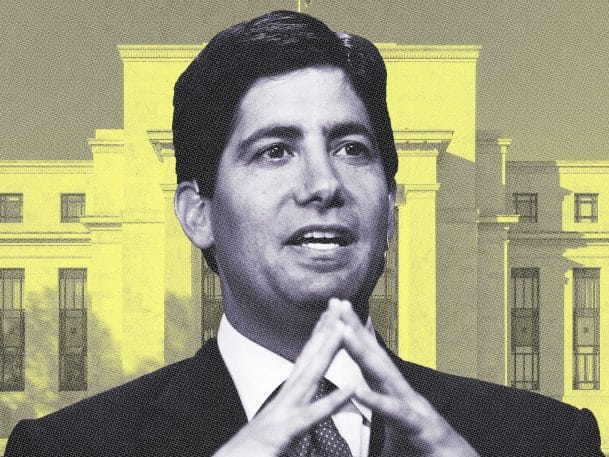
Senate Banking Committee to vote on Kevin Warsh as Fed Chair April 29
The Senate Banking Committee is set to vote on Kevin Warsh as the next Federal Reserve Chair on April 29. This event is significant for Bitcoin and the broader crypto market, as the Fed Chair's monetary policy stance directly influences liquidity, interest rates, and overall market sentiment. Warsh's potential confirmation could signal a shift in economic policy direction, impacting asset valuations. Investors should closely watch the committee's decision and any subsequent commentary on future monetary policy.
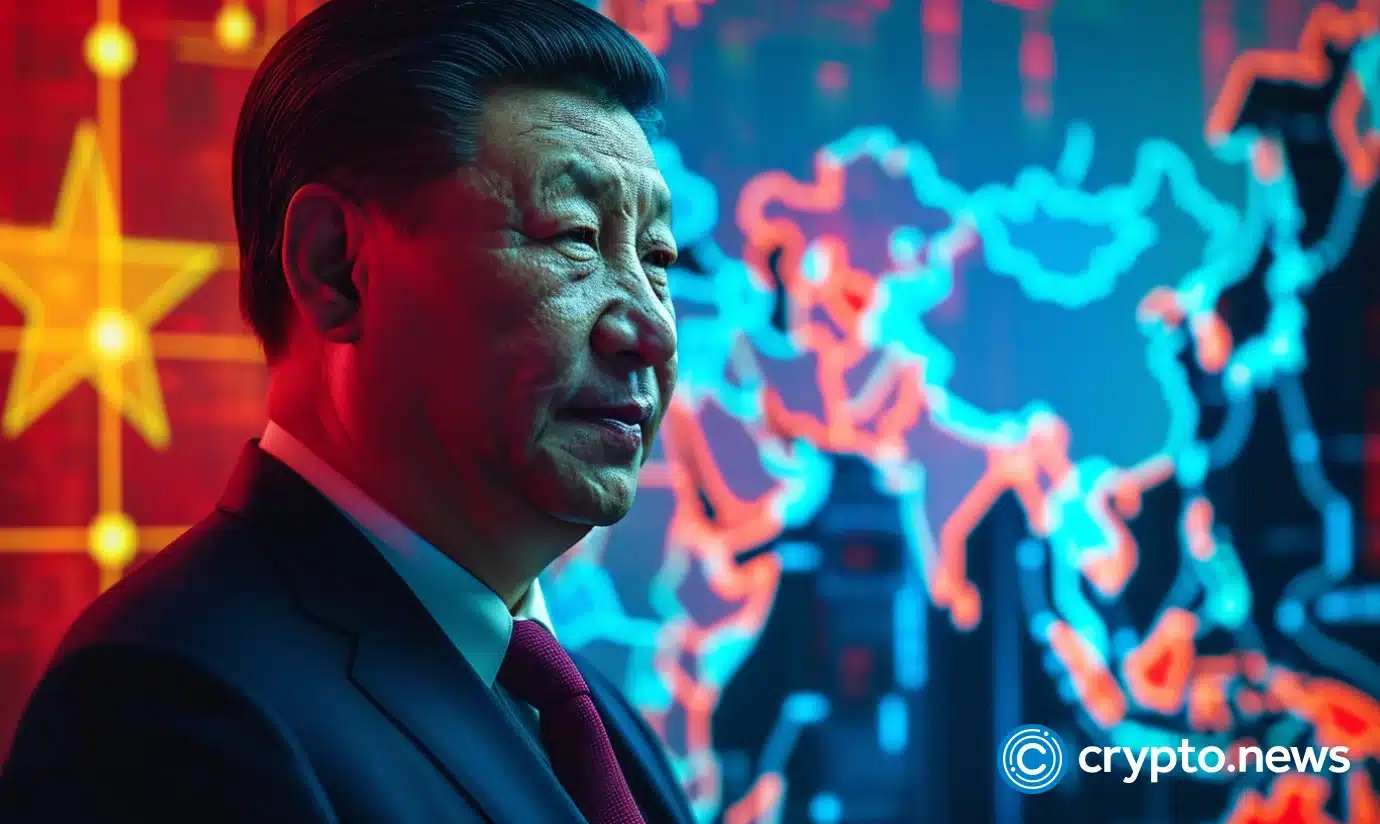
China blocks Meta’s $2B Manus deal amid AI security concerns
China has blocked Meta's $2 billion acquisition of AI startup Manus, forcing the U.S. tech giant to abandon a deal that had already been completed. This action highlights escalating geopolitical tensions and regulatory scrutiny around artificial intelligence, particularly concerning data security and national interests. While not directly crypto-related, such moves underscore a global trend of increased government intervention in tech, which can impact innovation and cross-border capital flows relevant to the broader digital asset space. Investors should watch how these regulatory headwinds influence future tech M&A and the development of AI, a sector increasingly intertwined with blockchain solutions.
US urges UN for maritime coalition to secure Strait of Hormuz navigation

South Korea’s KBank trials onchain remittances with Ripple partnership
South Korea's KBank is piloting blockchain-based cross-border remittances through a new partnership with Ripple. This initiative is significant as it demonstrates increasing institutional interest in leveraging distributed ledger technology to modernize traditional financial services. The proof-of-concept aims to measure improvements in transaction speed and cost efficiency, key metrics for global payments. Moving forward, watch for the results of these trials and whether they lead to broader adoption of blockchain solutions by other major financial institutions in the region.
Netanyahu orders strikes in southern Lebanon, ceasefire odds recalibrate

Circle mints 500M USDC on Solana amid regulatory clarity, institutional interest
Circle recently minted 500 million USDC on the Solana blockchain, a significant move reflecting growing institutional confidence and perceived regulatory clarity. This substantial injection of stablecoin liquidity is poised to boost trading activity and overall capital efficiency within the Solana ecosystem. The key data point is the 500 million USDC added, signaling robust demand for stable assets on the network. Moving forward, watch for increased decentralized finance (DeFi) engagement and potential impacts on SOL's market dynamics as this liquidity is deployed.

Lebanon reports 2,521 dead, 7,804 wounded in ongoing conflict with Israel
Lebanon has reported significant casualties, with 2,521 dead and 7,804 wounded, from its ongoing conflict with Israel. Despite these severe human costs, the crypto market has shown a stagnant response, suggesting a disconnect from the conflict's on-the-ground realities. This muted reaction indicates that market participants may be prioritizing perceived diplomatic progress over the immediate human toll. Investors should watch for any escalation or de-escalation that could shift market sentiment, particularly how broader geopolitical stability might influence risk assets like Bitcoin. The key takeaway is the market's current insensitivity to these high casualty figures.

Israeli defense minister rules out Lebanon ceasefire amid ongoing conflict
Israeli Defense Minister Yoav Gallant has publicly ruled out a ceasefire with Lebanon, signaling a continuation of the ongoing conflict in the region. This development is significant for the crypto market as geopolitical instability frequently impacts investor sentiment, often driving capital towards perceived safe-haven assets like Bitcoin, or conversely, increasing overall market risk aversion. The key takeaway is the explicit rejection of a ceasefire, indicating sustained tension rather than de-escalation. Investors should closely watch for any further escalation or de-escalation in the conflict, as well as its potential spillover effects on global markets and risk appetite.

IDF strikes Hezbollah in Lebanon, drone explodes near Israeli troops
The Israeli Defense Forces (IDF) launched strikes against Hezbollah targets in Lebanon, coinciding with a drone explosion near Israeli troops. This escalation of hostilities significantly challenges prospects for a ceasefire and could complicate broader geopolitical stability. While no direct crypto market data point is immediately available, such regional conflicts typically introduce uncertainty, which can influence investor sentiment across all asset classes, including Bitcoin. Moving forward, watch for any further escalation or de-escalation, as sustained instability could prompt a flight to perceived safe-haven assets.

Israel destroys power, water infrastructure in Lebanese Christian town
Recent reports indicate Israel destroyed power and water infrastructure in a Lebanese Christian town. This escalation of military actions against civilian targets is significant because it undermines diplomatic efforts and could destabilize broader market confidence, including in crypto assets, by dimming prospects for regional peace. While no specific crypto market impact was immediately quantifiable, the key takeaway is the potential for increased geopolitical instability. Investors should now watch for further military actions or diplomatic responses that could signal a wider conflict, impacting global risk sentiment.

Israel strikes Hezbollah targets in Lebanon, testing ceasefire’s strength
Israel has launched strikes against Hezbollah targets in Lebanon, a move that significantly tests the region's already fragile ceasefire. This escalation matters for Bitcoin and the broader crypto market as geopolitical instability often drives demand for perceived safe-haven assets, or conversely, increases market volatility and uncertainty. The immediate concern is the potential for renewed, broader conflict, which could see traditional markets falter and investors seek alternative stores of value. Watch closely for further military responses and diplomatic efforts, as sustained regional tensions could influence crypto market sentiment.

Israeli army destroys homes in southern Lebanon amid military escalation
The Israeli army destroyed homes in southern Lebanon amidst escalating military actions. This event is significant for crypto as markets remain stagnant, indicating traders may be pricing in a swift de-escalation or ceasefire despite the ongoing conflict. The key takeaway is the market's muted reaction, suggesting a belief that the conflict will not broaden or significantly impact global financial stability. Investors should watch for any further escalation or de-escalation signals that could shift market sentiment.
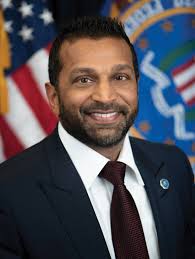
Lawrence Jones questions FBI director on Trump assassination attempts
Lawrence Jones recently questioned the FBI Director regarding alleged assassination attempts on Donald Trump. This event introduces a layer of political uncertainty that could significantly impact broader market sentiment, including the crypto sector. While no specific data point was provided, the mere discussion of such high-stakes political instability often correlates with increased volatility in risk assets like Bitcoin. Investors should closely monitor ongoing political developments and their potential to influence market stability in the coming weeks.

Iran bans Israeli-affiliated ships in Strait of Hormuz control plan
Iran has announced a ban on Israeli-affiliated ships transiting the Strait of Hormuz, a critical global shipping lane. This escalation of regional tensions could significantly impact global oil markets and supply chains, potentially leading to broader economic instability. Such geopolitical friction often drives investors towards perceived safe-haven assets, including Bitcoin. Watch for further diplomatic efforts and any sustained disruption to shipping, as these factors could influence market sentiment and asset prices.
Dollar steady amid potential US-Iran talks, central bank decisions
Potential US-Iran talks are emerging, which could stabilize global oil prices. This development is significant for the crypto market as easing energy costs may temper inflation, influencing central bank decisions worldwide. A key takeaway is the potential for central banks to adopt less aggressive monetary policies if inflation cools, which historically benefits risk assets like Bitcoin. Moving forward, watch for any concrete progress in these geopolitical discussions and their immediate impact on oil prices and subsequent central bank rhetoric.

Israeli military strikes Hezbollah sites in Lebanon amid ceasefire doubts
The Israeli military has conducted strikes against Hezbollah sites in Lebanon, escalating tensions in the region. This ongoing conflict significantly undermines prospects for a ceasefire, introducing substantial geopolitical uncertainty. Such instability often correlates with increased market volatility across traditional and crypto assets, as investors seek safe havens or react to perceived risks. The key takeaway is the continued military action, which suggests no immediate de-escalation. Investors should closely monitor further developments in the Middle East, as sustained conflict could impact broader market sentiment and Bitcoin's role as a potential uncorrelated asset.
EU bans Russia-based crypto providers in latest sanctions package
The European Union has further tightened sanctions against Russia, specifically banning EU entities from providing crypto asset services to Russia-based individuals and entities. This move significantly deepens Russia's financial isolation, indicating a prolonged period of geopolitical tension and a hardening stance against the use of digital assets to circumvent traditional financial systems. While no specific transaction volume is cited, the ban effectively severs a potential avenue for capital flow. Investors should monitor how this impacts the broader crypto market's regulatory landscape and the potential for other nations to adopt similar restrictions.

Lebanese president calls for ceasefire as prerequisite for Israel talks
Lebanon's president has called for a ceasefire as a necessary step before engaging in talks with Israel. This development is significant for the broader crypto market as geopolitical stability, particularly in the Middle East, often impacts investor sentiment and risk appetite. The potential for a redefined regional power dynamic could reduce uncertainty, with the key outcome being a de-escalation of tensions. Watch for any concrete steps towards these talks, as continued instability could lead to capital flight into perceived safe-haven assets, including Bitcoin.

Maersk warns of unpredictable security in Strait of Hormuz
Maersk, a global shipping giant, has issued a warning regarding unpredictable security conditions in the Strait of Hormuz. This development is significant for Bitcoin and the broader crypto market because heightened geopolitical tensions and potential disruptions to global oil markets can lead to increased energy prices and overall economic instability. Such uncertainty often influences investor sentiment, potentially driving capital towards or away from risk assets like cryptocurrencies. The key takeaway is the potential for global supply chain and energy market volatility. Investors should watch for further escalation in the region and its impact on traditional financial markets, as this will likely ripple into crypto.

Iran backs Hezbollah, complicating Israel-Lebanon diplomacy prospects
Iran's continued backing of Hezbollah is significantly complicating diplomatic and ceasefire efforts between Israel and Lebanon. This geopolitical tension matters for the broader crypto market as regional instability often drives investors towards perceived safe-haven assets like Bitcoin, or conversely, increases overall market volatility due to risk-off sentiment. While no specific crypto data point is immediately available, the ongoing conflict highlights the market's sensitivity to global events. Moving forward, watch for any escalation or de-escalation in the conflict, as it will likely influence short-term crypto price movements and investor confidence.
Hezbollah’s call for internal dialogue complicates Israel-Lebanon talks
Hezbollah's recent call for internal dialogue within Lebanon is complicating diplomatic efforts between Israel and Lebanon. This internal focus could stall crucial talks, potentially increasing regional instability in the Middle East. Such geopolitical friction often introduces uncertainty into global markets, which can indirectly impact investor sentiment towards assets like Bitcoin and the broader crypto market. Moving forward, observers should watch for any escalation or de-escalation in regional tensions, as well as the progress of any internal Lebanese political discussions.

EU firm on Iran sanctions, Trump oil relief odds drop sharply
The European Union has reaffirmed its commitment to sanctions against Iran, significantly diminishing the likelihood of US-Iran negotiations and any related oil market relief. This development underscores persistent geopolitical tensions, which often lead investors to seek safe-haven assets. With oil relief prospects now sharply reduced, energy costs could face upward pressure, potentially impacting broader economic sentiment. Moving forward, watch for how these ongoing geopolitical strains influence Bitcoin's role as a hedge against global instability and inflation.
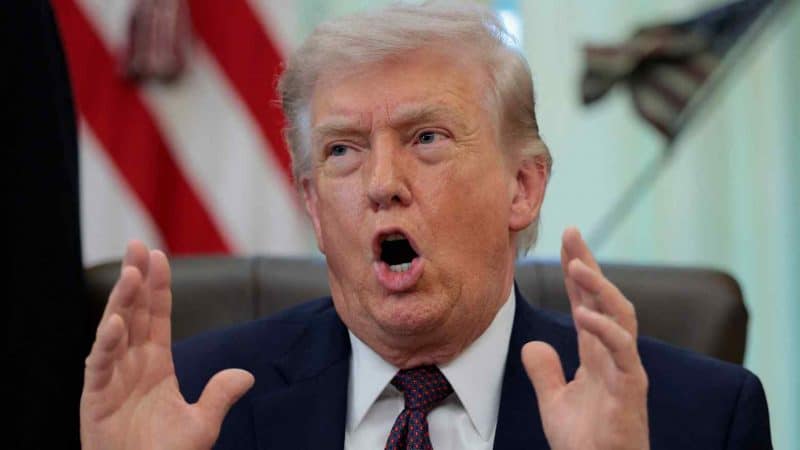
Trump holds national security meeting on reopening Strait of Hormuz
Former President Trump recently convened a national security meeting to discuss the potential reopening of the Strait of Hormuz. This development signals a possible shift in geopolitical strategy concerning a critical global shipping lane. Such high-stakes geopolitical maneuvers can introduce significant volatility across traditional markets, potentially influencing investor sentiment towards decentralized assets like Bitcoin as a hedge. The key takeaway is the discussion itself, indicating a potential future policy change with broad market implications. Investors should closely watch for any further statements or actions regarding this strategic waterway.

IDF finds Hezbollah weapons cache in children’s bedroom in southern Lebanon
The Israeli Defense Forces recently uncovered a Hezbollah weapons cache hidden in a child's bedroom in southern Lebanon. This discovery significantly complicates the implementation of any ceasefire, justifying continued military presence and underscoring the severe risks of civilian areas being militarized. Such geopolitical instability often drives investors towards perceived safe-haven assets, including Bitcoin, as traditional markets face increased uncertainty. Watch for further escalation or de-escalation in the region, as sustained conflict could continue to influence risk-on asset classes.

10,000 Lebanese Christians trapped in Israel’s southern Lebanon security zone
A reported 10,000 Lebanese Christians are currently trapped within Israel's security zone in southern Lebanon. This escalating geopolitical tension highlights the significant disconnect between market predictions and the unpredictable realities of conflict zones. While not directly crypto-related, such instability often drives a flight to perceived safe-haven assets, including Bitcoin, as traditional markets face uncertainty. Investors should closely monitor the regional conflict's trajectory, as its expansion could impact global financial sentiment and crypto market volatility.
The Daily Briefing
Get the day's most important crypto stories in your inbox every morning. No spam. No hype. Just the news you need.
Unsubscribe at any time.