★Israeli defense minister rules out Lebanon ceasefire amid ongoing conflict
What This Means
- →No ceasefire in Lebanon → sustained geopolitical risk premium on global assets.
- →Escalating regional tensions → increased demand for safe-haven cryptocurrencies.
- →Continued conflict uncertainty → dampens investor sentiment across all markets.
"Escalating geopolitical tensions in the Middle East often send investors looking for safe havens. This conflict could increase demand for Bitcoin as a non-sovereign asset, or conversely, spook markets and trigger broader risk-off sentiment across crypto."

The Big Coin Report Take
Israeli Defense Minister Yoav Gallant has publicly ruled out a ceasefire with Lebanon, signaling a continuation of the ongoing conflict in the region. This development is significant for the crypto market as geopolitical instability frequently impacts investor sentiment, often driving capital towards perceived safe-haven assets like Bitcoin, or conversely, increasing overall market risk aversion. The key takeaway is the explicit rejection of a ceasefire, indicating sustained tension rather than de-escalation. Investors should closely watch for any further escalation or de-escalation in the conflict, as well as its potential spillover effects on global markets and risk appetite.
What To Watch
- 1.BTC $67,000 — a sustained break below this key support level, especially on high volume, would signal a potential retest of $64,000 and invalidate the recent bounce from the lower end of the trading range.
- 2.Stablecoin Dominance (USDT/USDC) — a significant increase above 10% would signal a flight to safety and de-risking by market participants, indicating a potential broader market downturn.
- 3.Escalation of Middle East Conflict (specifically, direct involvement of a major global power like the US or Iran) — this would trigger a sharp, broad-based risk-off event across all asset classes, likely leading to significant capital outflows from crypto and a rapid decline in prices.
The Big Picture
This story reveals how geopolitical tensions are being increasingly priced into global assets, even those traditionally seen as uncorrelated. Persistent regional instability will continue to drive a flight to safety, strengthening assets perceived as hedges against traditional market volatility.
Related Guides
Never miss a story
More from this section
 EU considers sanctions on Israeli entities over Russian grain importsCrypto Briefing1h ago
 Israel threatens to “burn” Lebanon as Hezbollah rejects peace talksCrypto Briefing1h ago
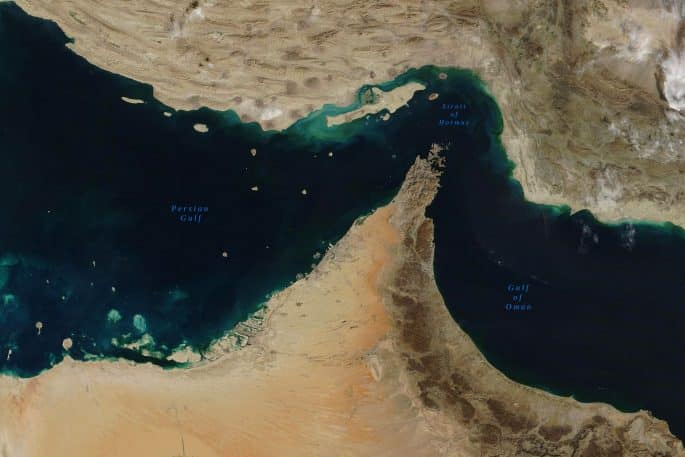 UN Security Council deadlocked on Strait of Hormuz reopeningCrypto Briefing1h ago
 US warns firms servicing Iran’s airlines of potential sanctionsCrypto Briefing1h ago