Crypto Stocks
50 stories in this category

Bitcoin’s next breakout will depend on whether investors treat $80K as relief, resistance, or the start of a new recovery
Bitcoin is struggling to reclaim the $80,000 level, indicating a potential shift in market sentiment. Institutional buying, which previously drove its April recovery, appears to be softening, as evidenced by volatile spot ETF flows. The price remains below key on-chain support levels, suggesting recent buyers are underwater. The upcoming Federal Reserve rate decision is a critical macro event that could determine if $80,000 acts as resistance, a relief rally point, or the start of a new bullish trend for Bitcoin. This crossroads highlights the market's current indecision and reliance on both technical and macroeconomic factors.

April’s $2B ETF Boom: Bitcoin, Ethereum, XRP Funds Post Largest Inflows In 2026
Crypto ETFs, including Bitcoin, Ethereum, and XRP, experienced their largest inflows of the year in April, totaling $2 billion. This surge signals robust institutional demand despite recent market volatility and a generally cautious sentiment following earlier outflows. The significant capital injection suggests growing institutional confidence and could provide a strong floor for crypto prices. This trend is crucial as it indicates a shift from earlier profit-taking, potentially setting the stage for renewed upward momentum. Investors should monitor continued ETF flow data and price action around key support levels to gauge sustained institutional interest.
OKX agent payments protocol launched with Ethereum, Solana backing
OKX has launched an agent payments protocol, backed by Ethereum and Solana, aiming to standardize blockchain-based payment solutions. This development is significant as it leverages established smart contract platforms to create more efficient and interoperable payment rails, moving beyond traditional financial systems. The integration with Ethereum particularly underscores its growing utility in enterprise-grade financial applications. This initiative could drive further adoption of blockchain for real-world transactions, potentially increasing demand for ETH and SOL as underlying settlement layers. Watch for broader institutional adoption and transaction volume metrics as indicators of its market impact.
Bitcoin Dominance Nears Death Cross, Ethereum Could Trigger Altcoin Season
Bitcoin Dominance (BTCD) is nearing a 'death cross' technical signal, which historically precedes periods of stronger altcoin performance. This potential shift suggests capital could flow from Bitcoin into alternative cryptocurrencies, with Ethereum specifically targeted for a significant breakout. Ethereum's price action is eyeing a 50% surge to $3,430, a move that could ignite a broader 'altcoin season'. Investors should monitor BTCD's confirmation of the death cross and ETH's ability to sustain upward momentum, as this could signal a major rotation within the crypto market. The setup implies a strategic opportunity for diversification into alts.
Tether slows gold purchases to 6 tons in first quarter
Tether, the issuer of the largest stablecoin USDT, significantly slowed its gold accumulation in Q1, purchasing only 6 tons compared to 8.88 tons in Q4 2023. This reduction in gold reserves, which back a portion of USDT, suggests a potential shift in Tether's asset allocation strategy or a response to market conditions. While gold is a minor component of Tether's reserves, this trend could signal a broader re-evaluation of diversification efforts among stablecoin issuers. Investors should monitor Tether's future reserve reports for sustained changes in asset composition and their implications for stablecoin stability.

Tether posts $1.04 billion Q1 profit, reaches $8.23 billion reserve buffer
Tether reported a robust $1.04 billion net profit in Q1 2024, significantly bolstering its reserve buffer to an unprecedented $8.23 billion. This substantial increase in reserves, primarily from operating profits, underscores Tether's financial strength and its capacity to maintain the USDT peg amidst market volatility. The growing buffer enhances confidence in the stablecoin's solvency, which is critical for liquidity across the broader crypto ecosystem. Investors should monitor Tether's reserve composition and audit frequency for continued stability signals, as any perceived weakness could trigger systemic market stress.
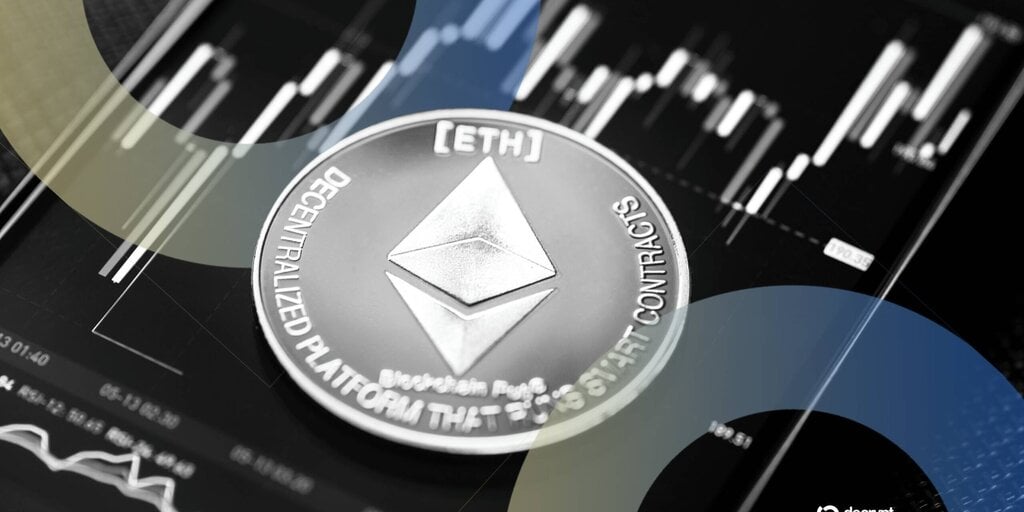
Ethereum ETFs Shed $184M Over 4-Day Negative Streak
Ethereum ETFs experienced a significant 4-day negative streak, shedding $184 million, while Bitcoin funds saw even larger outflows of $490 million during the same period. This capital flight from crypto assets occurred despite the broader equity market, specifically the S&P 500, reaching new all-time highs. The divergence suggests a rotation out of riskier digital assets into traditional equities, or a broader risk-off sentiment within the crypto sector itself. This trend indicates weakening institutional demand for spot crypto ETFs in the short term, impacting price stability. Investors should monitor sustained ETF flow reversals and Bitcoin's ability to hold key support levels for signs of renewed interest.

Ethereum liquidation map pins $874m long trapdoor and $403m short cliff
Coinglass data reveals significant Ethereum liquidation thresholds, with approximately $874 million in long positions vulnerable below $2,206 and $403 million in short positions at risk above $2,412. These levels create 'forced-flow bands' that could trigger cascading liquidations, intensifying price movements. This matters for crypto as large liquidations can exacerbate volatility and dictate short-term price direction for ETH and potentially the broader market. Traders should monitor these price points closely, as breaching them could lead to rapid price swings and trading opportunities or risks. The key data point is the $874M long liquidation level below $2,206.

Tether posts over $1 billion Q1 profit as reserve buffer reaches record $8.2 billion
Tether reported over $1 billion in profit for Q1, boosting its reserve buffer to a record $8.2 billion. This significant financial strength, coupled with its $141 billion U.S. Treasury holdings, positions Tether as a major global bond investor. This matters for crypto as Tether's stability underpins a vast segment of the market, reducing systemic risk. The growing buffer enhances confidence in USDT's peg, potentially attracting more capital into the crypto ecosystem. Watch for continued growth in its reserve buffer and its impact on stablecoin dominance.

Tether reports $1.04B profit in Q1 as Treasury holdings reach $141B
Tether reported a significant $1.04 billion profit in Q1, primarily driven by interest income from its substantial US Treasury holdings, which now stand at $141 billion. This robust financial performance reinforces USDT's stability and its role as a key liquidity provider in the crypto ecosystem. The increasing adoption of Tether in emerging markets highlights its utility as a dollar-denominated safe haven and a tool for cross-border transactions. This trend suggests continued demand for stablecoins, underpinning broader crypto market liquidity and potentially influencing Bitcoin's price stability as a flight-to-safety asset.
Democrat Senators question Howard Lutnick over Tether ties
Democrat Senators have questioned Howard Lutnick, CEO of Cantor Fitzgerald, regarding his firm's relationship with Tether, the issuer of the USDT stablecoin. This inquiry highlights growing regulatory scrutiny on stablecoin reserves and their potential systemic risks, especially as Tether's market capitalization approaches $110 billion. The questioning underscores the increasing political focus on the stability and transparency of major stablecoins, which are critical liquidity providers for the broader crypto market. Investors should monitor ongoing regulatory actions and any disclosures from Tether or Cantor Fitzgerald, as these could impact stablecoin stability and overall crypto market sentiment.

The only rally during Bitcoin 2026 was Ethereum NFTs
During the Bitcoin 2026 conference, Ethereum NFTs experienced a notable rally, contrasting sharply with Bitcoin's 4% price drop. This divergence highlights a potential shift in market sentiment, where specific altcoin sectors can decouple from Bitcoin's performance, even during major industry events. The key data point is Bitcoin's 4% decline versus the unquantified but reported rally in Ethereum NFTs. Investors should watch for sustained altcoin outperformance as a sign of broadening market interest beyond Bitcoin.

‘Ethereum’s Price Should Have Dropped Already’ – Analyst Explains The On-Chain Signal Behind The Warning
A CryptoQuant analyst warns that Ethereum's recent 25% surge since late March, pushing towards key resistance, is showing bearish on-chain signals. Despite positive price action, a significant increase in ETH held on exchanges suggests potential selling pressure, contradicting the bullish sentiment. This accumulation of ETH on exchanges, a key data point, indicates that a price drop is overdue, challenging the current market narrative. Investors should monitor exchange balances and key support levels for potential reversals.

Bennett, Lapid form “Together” bloc, challenging Netanyahu ahead of 2026 elections
Tether Prints $1 Billion Q1 Profit, But Its $8.23 Billion War Chest Remains Contested
Tether reported a record $1.04 billion net profit in Q1 2026, driven by interest income from its substantial U.S. Treasury holdings, which now total $141 billion. This profit further bolstered its excess reserves to an unprecedented $8.23 billion, acting as a significant buffer for its USDT stablecoin. Tether's financial health is critical as USDT remains the largest stablecoin, underpinning vast swathes of crypto trading and DeFi. The continued growth of its reserve buffer signals robust financial stability, but ongoing scrutiny of its reserve composition and auditing practices will remain key factors to watch for market confidence.

Senator Warren questions Commerce Secretary Lutnick on Tether loan to family
Senator Elizabeth Warren and Ron Wyden have initiated an inquiry into a reported loan from stablecoin issuer Tether to the family of Commerce Secretary Howard Lutnick. This development signals escalating regulatory scrutiny on stablecoin operations and their potential influence, especially concerning politically exposed persons. The key concern revolves around transparency, potential conflicts of interest, and the broader implications for stablecoin trust and market stability. Investors should closely monitor further congressional actions and any responses from Tether or Lutnick, as this could lead to increased regulatory pressure on the stablecoin sector. This scrutiny highlights the growing intersection of crypto and traditional finance and politics.

Tether Reports Billion-Dollar Q1 Profit Amid Crypto Slump—And Says Audit Has Begun
Tether reported over $1 billion in net profit for Q1 2024, marking its eighth consecutive profitable quarter despite a broader crypto market slump. The stablecoin issuer also disclosed holding over $141 billion in U.S. Treasuries, solidifying its position as a major sovereign debt holder. Crucially, Tether announced that a full audit of its reserves has finally begun, addressing long-standing transparency concerns. This development is significant as Tether's stability underpins much of the crypto ecosystem, and a verified audit could boost market confidence. Investors should monitor the audit's progress and its impact on USDT's market cap and trading volumes.

Tether reports $1.04B Q1 profit as reserves climb to $191.8b
Tether reported a robust $1.04 billion net profit in Q1, pushing its reserves to an unprecedented $191.8 billion. This significant profit, primarily driven by U.S. Treasury holdings, underscores Tether's financial strength and its continued dominance in the stablecoin market. The company is also diversifying into gold and Bitcoin, signaling a strategic hedge against traditional financial risks while facing increased regulatory scrutiny. This performance reinforces Tether's role as a critical liquidity provider and a bellwether for broader crypto market stability, with its reserve composition influencing investor confidence.
Brazil central bank prohibits crypto use in regulated cross-border payments under new FX rules
Brazil's central bank has issued new foreign exchange rules that explicitly prohibit the use of cryptocurrencies in regulated cross-border payment transactions. This move aims to bring all international payments fully within the country's regulated FX system, asserting traditional financial oversight over digital assets. While not a blanket ban on crypto, it significantly limits its utility for institutional and formal cross-border trade within Brazil, potentially slowing mainstream adoption in the region. Investors should watch for similar regulatory stances from other emerging markets and the broader impact on crypto's role in international finance. This action underscores the ongoing global struggle for regulatory control over decentralized digital assets.

Spot Bitcoin ETF outflows top $490M: Is BTC’s rally losing momentum?
Spot Bitcoin ETFs experienced significant outflows totaling $490 million, raising concerns about Bitcoin's recent rally momentum. This capital shift comes amidst broader market considerations, including rising oil prices, upcoming Big Tech earnings, and potential shortfalls in AI sector growth. The outflows suggest a cautious sentiment among some investors, possibly reallocating capital or de-risking ahead of macro events. This trend matters for crypto as sustained outflows could pressure Bitcoin's price, challenging its ability to hold key support levels. Investors should monitor macro indicators and ETF flow reversals for signs of renewed accumulation or further downside risk.

Someone just drained long-forgotten dormant Ethereum wallets, and the cause may trace back years
Hundreds of dormant Ethereum wallets, untouched for years, were systematically drained into a single address, highlighting a significant security vulnerability. This incident, likely stemming from a long-ago key exposure, underscores the persistent risk of compromised private keys and seed phrases. It matters for crypto as it erodes trust and could trigger a flight to more secure storage solutions. The key data point is the sheer number of wallets affected and the coordinated nature of the drains. Watch for increased scrutiny on wallet security practices and a potential shift towards hardware wallets or multi-sig solutions.

Ethereum Foundation sells $22.9M ETH, market confidence wanes
The Ethereum Foundation recently sold $22.9 million worth of ETH, a move that has sparked concerns about waning confidence within the ecosystem. This significant sale by a core entity could signal a bearish outlook, potentially impacting long-term price expectations and overall market sentiment for Ethereum. The key data point is the substantial dollar amount of ETH liquidated. Investors should closely monitor market reaction to this sale and any further movements from the Foundation, as it could dictate short-to-medium term ETH price action and broader altcoin trends.
ARK Invest Ditches $6 Million in Crypto ETFs For $39 Million HOOD Shares After Shaky Robinhood Earnings
ARK Invest recently sold approximately $6 million across its spot Bitcoin ETFs (ARKB, GBTC) while simultaneously purchasing $39 million worth of Robinhood (HOOD) shares. This move follows Robinhood's Q1 earnings report, which revealed a significant 47% drop in crypto trading revenue. The reallocation suggests a shift in ARK's strategy, potentially signaling a more cautious stance on direct crypto exposure via ETFs in favor of companies that benefit from broader market activity. This could impact institutional sentiment and ETF flow dynamics, warranting close observation of subsequent ARK portfolio adjustments and broader institutional trends.

Senators Warren, Wyden Quiz Commerce Secretary Lutnick Over Tether Loan to Children’s Trust
Senators Elizabeth Warren and Ron Wyden have initiated a probe into Commerce Secretary Gary Gensler's alleged undisclosed loan from stablecoin issuer Tether to a trust benefiting his children. This development raises significant concerns about potential conflicts of interest and the regulatory oversight of stablecoins, particularly Tether, which faces ongoing scrutiny regarding its reserves and transparency. The key data point is the 'undisclosed sum' of the loan, highlighting a lack of transparency that could undermine public trust in both government officials and the stablecoin market. Moving forward, watch for increased regulatory pressure on Tether and broader stablecoin legislation, as this incident could fuel calls for stricter disclosure requirements for public officials' crypto dealings.

SBI adds Bitcoin, Ethereum and XRP rewards in Visa card push
Japanese financial giant SBI Holdings is launching a Visa-branded credit card that offers Bitcoin, Ethereum, and XRP as rewards, signaling a significant push for crypto adoption in mainstream finance. This initiative, alongside SBI's ongoing talks to acquire a majority stake in crypto exchange Bitbank, underscores a growing institutional commitment to integrating digital assets into traditional financial products. The move broadens access to crypto for a wider consumer base, potentially increasing demand and legitimizing digital currencies as a form of reward. Investors should monitor adoption rates of such products and the regulatory response to these innovative offerings.
Senators Warren, Wyden press Tether and Commerce Secretary Lutnick over loan to family trust

Tether-backed Oobit rolls out virtual Visa cards for AI agent USDT spending
Tether-backed payment platform Oobit has launched virtual Visa cards enabling AI agents to spend USDT directly for business expenses. This initiative, initially rolled out to a select group of businesses, significantly expands the utility of USDT by bridging the gap between stablecoin holdings and traditional fiat spending. It allows AI-driven operations to seamlessly manage and disburse funds without manual conversion, potentially increasing demand for USDT and driving broader crypto adoption in enterprise settings. Watch for the scalability of this model and its impact on USDT's market cap as more companies gain access.

Ethereum Is Up 30% But Shorts Refuse to Let Go – The Last Time This Setup Didn’t End Quietly
Ethereum has rallied over 30% from its February lows, holding firmly above $2,250, yet a significant number of short positions remain open. This persistent bearish sentiment, despite strong price recovery, creates a high-tension market setup. Historically, similar conditions have often led to violent short squeezes, indicating a potential for a sharp upward price movement if these shorts are forced to cover. This dynamic is crucial for crypto as a large ETH move could pull the broader market. Watch for a break above key resistance levels to trigger a cascade of liquidations.

MegaETH Token Launches as Ethereum Layer-2 Network's Novel Rewards System Is Tested
MegaETH, a new Ethereum layer-2 network, has launched its native MEGA token, implementing a novel rewards system where tokens unlock as the network meets specific benchmarks. This event introduces a new competitor in the crowded L2 space, aiming to attract users through incentivized growth. The key data point is the progressive unlock of MEGA tokens tied to network activity, directly influencing its circulating supply and market dynamics. Investors should watch MegaETH's adoption rates and how its unique tokenomics impact user engagement and the broader L2 ecosystem competition.

Ethereum rebound at risk? Exchange data flashes warning
Ethereum is currently trading near $2,280, but recent exchange data indicates a potential risk of a price dip due to increasing supply on exchanges. This metric suggests that more ETH is being moved onto trading platforms, often a precursor to selling pressure. Concurrently, negative funding rates in perpetual futures markets are raising concerns about a potential short squeeze, where aggressive short positions could be forced to cover, driving prices higher. Investors should monitor both on-chain supply movements and derivatives funding to gauge ETH's immediate price trajectory and potential volatility spikes. This dynamic interplay of supply and derivatives signals a critical juncture for Ethereum's short-term valuation.
99.2% of omni-chain Tether-backed stablecoin holders have less than $1,000 USDT0
A new omni-chain stablecoin, USDT0, has emerged as the third-largest holder of Tether's USDT, indicating significant underlying demand for cross-chain stablecoin solutions. The key data point reveals a highly fragmented retail distribution, with 99.2% of USDT0 holders possessing less than $1,000. This suggests a broad base of smaller users adopting the asset for multi-chain transfers or micro-transactions. This trend highlights the ongoing evolution of stablecoin utility beyond single-chain ecosystems. We should watch for further growth in multi-chain stablecoin adoption and its impact on liquidity across various networks.

Ethereum to $60K? It's a 'generational play' for ETH bull Tom Lee, says analyst
Fundstrat's Tom Lee, via an analyst, suggests Ethereum could reach $60,000 by 2030, labeling it a 'generational play.' This bullish forecast is based on ETH retesting a long-term support trend line, a fractal pattern that previously preceded a 5,200% rally. The analyst's model implies a significant upside potential for Ethereum, positioning it as a key asset for long-term growth. This prediction highlights the increasing institutional attention and long-term price targets for major cryptocurrencies, suggesting sustained interest in the asset class. Investors should monitor ETH's reaction to current support levels and broader market sentiment for confirmation of this long-term trajectory.

Ethereum Shows Strength With $1 Billion In Buying Despite Hawkish Fed
Ethereum has demonstrated significant resilience, attracting over $1 billion in buying interest despite a hawkish Federal Reserve stance that typically pressures risk assets. This substantial inflow suggests investors are increasingly viewing Ethereum as a robust asset, potentially decoupling from broader macro headwinds. For crypto markets, this indicates strong underlying demand for leading altcoins even in a tightening liquidity environment. Watch for continued institutional accumulation and Ethereum's price action relative to Bitcoin as a key indicator of market strength. This trend could signal a shift in investor perception, prioritizing fundamental growth over macro sensitivity.
Ethereum faces pressure as US-Iran talks impact price outlook
Ethereum is facing increased market pressure due to geopolitical tensions stemming from US-Iran talks and potential regulatory challenges. This situation introduces significant volatility and uncertainty into its price outlook, as broader macro-geopolitical events often influence risk assets like cryptocurrencies. The key data point is the heightened geopolitical risk, which could deter institutional investment and trigger sell-offs. Investors should closely monitor the progression of these talks and any subsequent regulatory responses, as they will dictate Ethereum's short-to-medium term price trajectory and market sentiment.

Tether-backed Oobit unveils AI agent card for autonomous USDT spending
Oobit has launched a Visa-backed virtual card enabling AI agents to autonomously spend USDT directly from Tether's treasury. This innovation bypasses traditional fiat conversions, streamlining stablecoin utility for automated transactions. It matters for crypto as it significantly expands the practical application of stablecoins beyond trading, integrating them into everyday automated commerce. The key data point is the direct USDT spending capability via a Visa network. Watch for adoption rates and regulatory responses to AI-driven stablecoin payments, which could set a precedent for future digital asset integration.
Tether-backed startup Oobit offers AI bots Visa-supported corporate expense cards
Oobit has launched "Agent Cards," Visa-supported corporate expense cards that allow AI agents to make purchases directly using USDT balances. This innovation streamlines corporate spending by removing human intervention from routine approval loops, leveraging stablecoins for automated transactions. It marks a significant step in integrating crypto assets, specifically Tether, into traditional financial infrastructure via the widely accepted Visa network. The development highlights the increasing utility of stablecoins beyond speculative trading, pushing the boundaries of automated finance and corporate treasury management. Watch for regulatory clarity and adoption rates to gauge its broader market impact.

Ethereum Price Holds Losses Under $2,300, Recovery Momentum Still Weak
Ethereum's price has continued its decline, falling below $2,300 and struggling to hold above $2,220. This indicates persistent selling pressure and weak recovery momentum for the second-largest cryptocurrency. The immediate challenge is consolidating above $2,220, as a break below this level could trigger further downside. This price action reflects broader market hesitancy and a lack of conviction among buyers, suggesting that sustained upward movement remains unlikely in the short term. Investors should monitor key support levels for potential capitulation or reversal signals.
Crypto hacks surge in April, dampening Ethereum and Bitcoin price outlook
Crypto hacks surged significantly in April, reversing a multi-month downtrend in illicit activity. This uptick in security breaches, totaling over $100 million in stolen funds, erodes investor confidence and introduces a new layer of risk perception across the digital asset ecosystem. For Bitcoin and Ethereum, this increased threat landscape could dampen price momentum and stall broader market recovery. Investors should monitor hack frequency and severity as a key indicator of market sentiment and potential regulatory responses moving forward.

Ethereum applications guild launches to boost App ecosystem
The Ethereum Applications Guild (EAG) has officially launched as a non-profit organization dedicated to fostering the growth of Ethereum's application layer. Funded by membership fees and ETH staking yield, the EAG aims to coordinate development, provide grants, and accelerate innovation across the dApp ecosystem. This initiative is crucial for Ethereum's long-term utility and adoption, as a thriving application layer drives demand for ETH and network activity. Investors should monitor the EAG's initial projects and funding allocation, as successful applications could significantly enhance Ethereum's competitive edge and market value. Its success will dictate the pace of real-world Ethereum integration.

Ethereum Pullback Sparks $1B Buying Frenzy Despite Hawkish Fed Warning on Inflation — What Changed?
Ethereum faced a significant pullback, struggling to maintain the $2,250 level after a 10% correction from its recent high above $2,450. Despite this selling pressure and a hawkish Federal Reserve warning on inflation, the market witnessed a substantial $1 billion buying frenzy. This suggests resilient demand for Ethereum even amidst macro headwinds and price volatility. Investors should monitor ETH's ability to reclaim key support levels and the broader market's reaction to inflation data for future direction.
Tether posts over $1 billion profit in Q1 as reserves hit record
Tether, the issuer of the USDT stablecoin, reported over $1 billion in net profit for Q1, pushing its reserves to a record high of $111 billion. This marks Tether's eighth consecutive quarter of profitability, primarily driven by interest income from its U.S. Treasury holdings. The robust performance underscores the stablecoin's significant role in crypto liquidity and its ability to generate substantial returns from traditional assets. This financial strength reinforces Tether's market dominance and could influence broader crypto market sentiment, especially concerning stablecoin stability and capital flows. Investors should watch for continued growth in reserves and any shifts in its asset composition.

Will Ethereum fall below $2,000 as it loses trendline support?
Ethereum's price dropped 5% to $2,200, marking its fourth consecutive day of decline. This move confirmed a breakdown below a key ascending trendline, signaling potential further downside in the near term. This matters for the broader crypto market as Ethereum is a major altcoin and often dictates sentiment for the sector. Investors should monitor key support levels like $2,000 to gauge the extent of this downtrend and its impact on overall market stability.
Solana leads in quantum security with NIST-approved signatures, ahead of Ethereum
Solana has achieved a significant milestone by implementing NIST-approved quantum-resistant cryptographic signatures, positioning it ahead of Ethereum and other major blockchains in quantum security. This development is crucial as the threat of quantum computing to current cryptographic standards grows, enhancing Solana's long-term viability and potentially boosting investor confidence. While not an immediate market mover, this proactive security upgrade addresses a future systemic risk for digital assets. Investors should monitor how other blockchains, particularly Ethereum, respond to this evolving security landscape and the adoption rate of quantum-resistant solutions across the crypto ecosystem.

Bennett and Lapid form “Together” alliance to challenge Netanyahu in elections
Ethereum ETF outflows hit $23.6M amid price uncertainty
Ethereum ETFs experienced $23.6 million in outflows, marking a period of investor skepticism and price uncertainty. This significant capital withdrawal suggests that geopolitical factors and broader market sentiment are currently hindering ETH's growth trajectory and impacting its market position. The outflows indicate a lack of conviction among some investors, potentially signaling further price weakness for Ethereum. Investors should monitor sustained ETF flows and ETH's reaction to key support levels for signs of a sentiment shift.
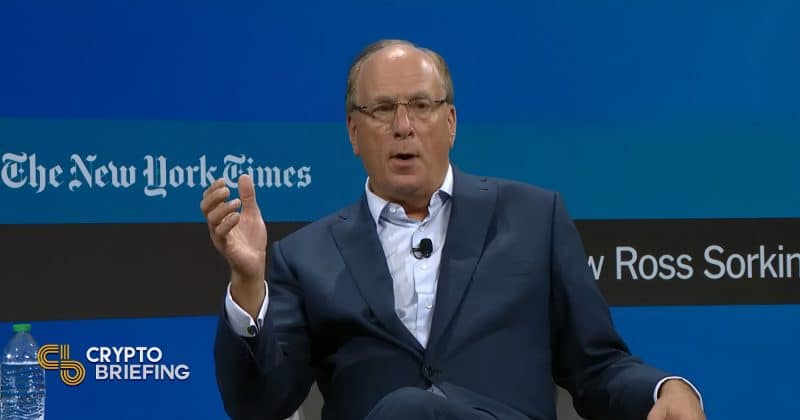
Bitcoin ETFs see $14.7M inflow as Ethereum outflows continue
Bitcoin spot ETFs recorded a modest $14.7 million in inflows, indicating continued, albeit slow, institutional interest in the leading cryptocurrency. Conversely, Ethereum ETFs experienced persistent outflows, signaling a divergence in investor sentiment between the two major digital assets. This trend highlights varying institutional confidence and could influence future market dynamics and regulatory scrutiny. Investors should monitor these flow patterns closely as they often precede shifts in market momentum and asset valuations, especially for BTC and ETH.
Solana RWA market share, outpaces Ethereum’s 40%
Solana's market share in Real World Assets (RWA) is rapidly expanding, now reportedly outpacing Ethereum's 40% dominance in this sector. This surge signals growing institutional interest and adoption of Solana's blockchain for tokenizing tangible assets, enhancing its appeal within the DeFi ecosystem. The development is crucial as it positions Solana as a serious contender to Ethereum, potentially diverting capital and innovation. Investors should monitor continued RWA project launches and institutional partnerships on Solana as a key indicator of its long-term growth trajectory.
Crypto hacks hit record high in April 2026, impacting Bitcoin, Ethereum sentiment
Crypto hacks reached a record high in April 2026, significantly impacting market sentiment across Bitcoin and Ethereum. This surge in exploits is expected to intensify regulatory scrutiny on the crypto sector and could force widespread security upgrades within DeFi protocols. The key data point is the 'record high' in hack incidents, signaling systemic vulnerabilities. Investors should closely monitor upcoming regulatory frameworks and the adoption of enhanced security measures, as these will dictate future market confidence and the pace of institutional adoption.
Crypto hacks in April hit record high, impact Ethereum price sentiment
Crypto hacks reached a record high in April, totaling over $100 million, significantly impacting investor confidence in the broader digital asset market. This surge in exploits, particularly within the DeFi sector, directly undermines the growth potential and price sentiment for Ethereum, which underpins much of the DeFi ecosystem. The key data point is the unprecedented volume of funds lost to these security breaches. Moving forward, the market will closely watch for robust security enhancements and successful audits across DeFi protocols, as continued vulnerabilities could hinder mainstream adoption and sustained price appreciation for ETH.

Jamie Coutts: Liquidity cycles are slowing asset returns, blockchain is the future coordination layer, and Tether’s strategic role in emerging markets | Raoul Pal
Jamie Coutts, in conversation with Raoul Pal, highlighted that sovereign wealth funds are beginning to consider significant crypto allocations, signaling a potential shift in global financial strategies. This development is crucial as blockchain technology is increasingly seen as the future coordination layer for financial systems, moving beyond traditional structures. Coutts also emphasized Tether's strategic importance in emerging markets, providing a stable financial rail amidst volatile local economies. The discussion underscores that while liquidity cycles may slow asset returns in general, crypto's foundational role is expanding, warranting close observation of institutional adoption and stablecoin utility.
The Daily Briefing
Get the day's most important crypto stories in your inbox every morning. No spam. No hype. Just the news you need.
Unsubscribe at any time.