Hormuz Tensions Escalate: Geopolitical Risk Fuels Bitcoin Safe-Haven Demand
What This Means
- →Escalating geopolitical risk in the Middle East → increased demand for non-sovereign safe-haven assets like Bitcoin.
- →Potential disruption of global oil supply routes → heightened inflation fears and flight to hard assets.
- →Reduced prospects for US-Iran negotiations → sustained uncertainty weighing on traditional markets.
The Big Coin Report Take
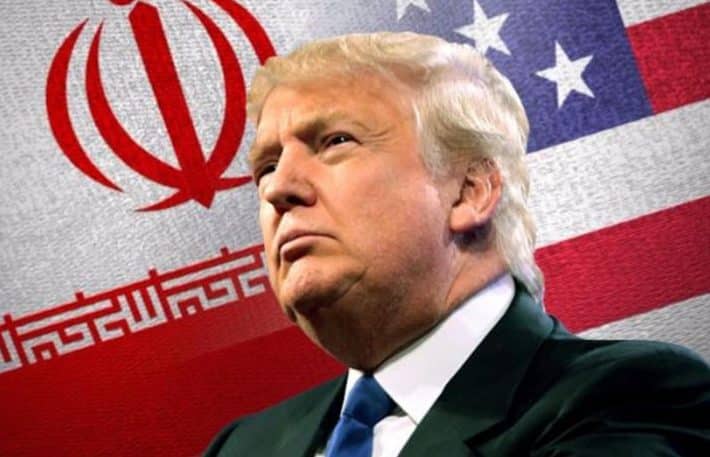
A US envoy has accused Iran of deploying illegal sea mines, significantly escalating tensions in the Strait of Hormuz. This development is critical for crypto markets as geopolitical instability, particularly concerning global energy supplies, often drives demand for Bitcoin as a safe-haven asset. The key data point is the increased risk of supply chain disruptions in a vital oil transit chokepoint. Investors should watch for any further military actions or diplomatic breakdowns, as these could trigger broader risk-off sentiment and potentially boost Bitcoin's appeal as a non-sovereign store of value.
What To Watch
- 1.BTC breaking above $72,000 resistance → confirms renewed safe-haven buying pressure.
- 2.Increased Tether (USDT) issuance on Tron/Ethereum → signals capital flight or demand for stablecoin liquidity.
- 3.Any further military incidents in the Strait of Hormuz → triggers immediate risk-off sentiment across global markets.
The Big Picture
Geopolitical instability is a primary driver of capital flows in the current market structure. Events like heightened tensions in critical energy regions reinforce Bitcoin's narrative as a hedge against fiat currency and sovereign risk. This dynamic suggests continued upward pressure on Bitcoin as global uncertainties persist.
Related Guides
Never miss a story
More from this section
 Bitcoin Hits $80K Amid US-Iran Tensions: Safe-Haven Narrative StrengthensCrypto Briefing1h ago
 Iran's Hardline Demands Signal Prolonged Geopolitical Risk for CryptoCrypto Briefing3h ago
 Mideast Conflict Escalation: Geopolitical Risk Weighs on Crypto SentimentCrypto Briefing4h ago